Wax Melt Supplies

Wax melts were originally created as a way for candle-makers to use up their excess wax. Now they're more popular than ever. With endless shapes, colours and wax melt scents, you can truly make these your own.
From melt waxes and clamshells to botanical decorations and wax dyes, you will find all you need to craft beautiful and high-performing melt creations.

Golden Wax 494, Soy Wax

From £6.69 exc. VAT

Clamshell - 5 Cavity Rectangle

From £3.12 exc. VAT

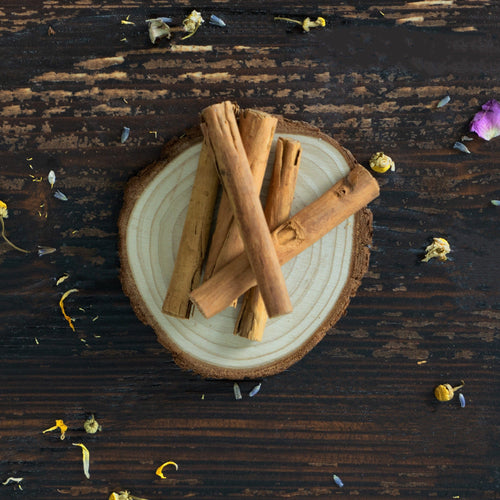
Cinnamon Bark - 100g

£5.19 exc. VAT

Clamshell - 4 Cavity Square

From £2.37 exc. VAT

Clamshell - 6 Cavity Square

From £2.86 exc. VAT

Wax Burner Rome Deluxe - White

£13.10 exc. VAT

Dried Orange Slices - 100g

£5.00 exc. VAT

Hibiscus Flowers - 100g

£1.67 exc. VAT

Pink Rose Buds - 100g

£7.57 exc. VAT

Marigold Flowers - 100g

£1.86 exc. VAT

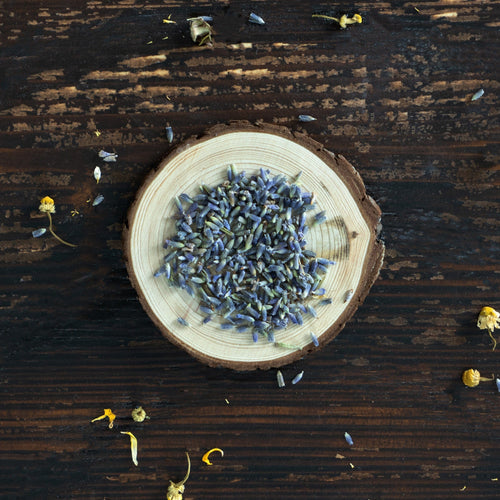
Lavender Flowers - 100g

£3.09 exc. VAT

Chamomile Flowers - 100g

£4.24 exc. VAT

Wax Burner Prague - White

£10.34 exc. VAT

Clamshell - 10 Cavity Square

From £3.12 exc. VAT

Clamshell - Hearts

From £3.46 exc. VAT

Wax Burner Talin - Black

£10.34 exc. VAT

Wax Burner Mia - White

£10.34 exc. VAT

Frequently asked questions

What makes a wax suitable for wax melts rather than container candles?
Melt waxes are formulated to release fragrance effectively when warmed to wax burner temperatures - typically from a tea light or electric burner - rather than to hold a wick and sustain a flame. They are generally softer and lower in melting point than pillar wax, which allows them to pool fully in a burner and release scent cleanly. Container candle wax used in melts typically gives inferior throw because the formulation is optimised for a different heat exposure profile.
What is the difference between soy melt wax and a paraffin melt blend?
Soy melt waxes - such as Golden Wax 494 - have a plant-derived origin suited to brands with natural positioning. Paraffin-containing blends like HPM typically deliver stronger, crisper scent throw and a harder snap finish. Many makers use a soy-paraffin blend like HPM to get the performance benefits of both. The decision is partly technical and partly a brand positioning choice - both perform well at the correct fragrance load.
Which wax gives the best snap in a clamshell wax melt?
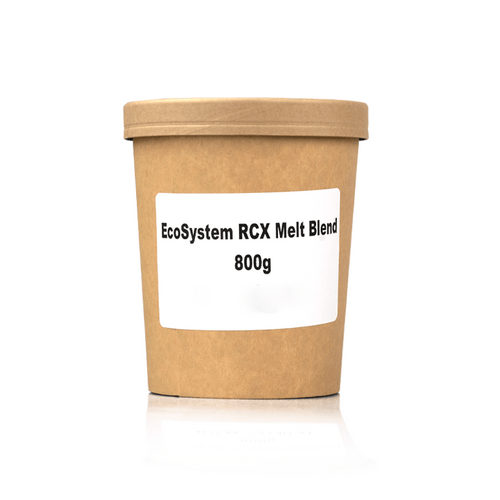
A clean snap finish comes from waxes with a harder, more brittle set. HPM Blend (soy and paraffin) and Golden Wax 494 (100% soy) both give a firm snap. Fully natural waxes like RCX Melt Blend have a softer set and may not produce the same clean break, but suit brands where plant-based origin matters. The trade-off is generally between snap and natural credentials rather than between snap and scent throw.
How much fragrance oil should I use in wax melts?
Wax melts can typically carry a higher fragrance load than container candles because there is no wick performance to manage. Most dedicated melt waxes support 8-12% fragrance by weight, and working toward the upper end of the wax's stated range maximises cold and hot throw. The ceiling is set by the wax's physical binding capacity - candles and wax melts share the same IFRA category, so there is no additional IFRA restriction to check beyond what applies to candles. The limiting factor is simply what your wax can hold without bleed.
How much fragrance can melt wax hold?
Most dedicated melt waxes support 8-12% fragrance by weight. The ceiling is set by the wax's physical loading capacity and the IFRA maximum for the wax melt category. Working toward the upper end of the wax's stated range gives the strongest cold and hot throw. Going beyond the stated maximum causes fragrance bleed regardless of how carefully you add the oil or at what temperature.
What gives a wax melt strong scent throw?
Strong melt throw comes from three things working together: fragrance load at or near the wax's maximum binding capacity; a melt-specific wax formulated for efficient fragrance release at wax burner temperatures; and a burner that reaches the correct operating temperature to pool the wax and vaporise the scent fully. Melt throw is generally more intense than candle throw because there is no combustion competing with fragrance vaporisation and the full wax surface is exposed to the heat source.
Can I use the same fragrance oil in wax melts and candles?
Yes - candles and wax melts share the same IFRA category, so there are no additional restrictions to navigate between the two. One practical advantage of wax melts is that the fragrance never reaches combustion, which opens up options that would not work in a candle. Essential oils and more delicate blends that burn off or behave unpredictably in a flame can perform perfectly well in a melt warmed by a tea light or electric burner. This makes wax melts a useful format for fragrance types that are difficult to wick reliably.
Why is fragrance oil bleeding out of my wax melts?
Fragrance bleed - oil pooling on the surface or seeping from the solid melt - is most commonly caused by exceeding the wax's maximum load, adding fragrance at too low a temperature so it fails to bind properly, or using a fragrance with a high proportion of components the wax cannot fully absorb. Rapid temperature change is also a cause: melts stored in cold conditions and then brought into a warm room can sweat fragrance out of the wax. This will often reabsorb as the temperature normalises, but not always. Reduce the fragrance percentage to within the stated range and check your addition temperature first. If bleed continues at a compliant load, the specific wax and fragrance combination may not be compatible.
Does melt wax need additives?
No. Purpose-made melt waxes are engineered specifically for wax melt applications and come ready to use - no additives needed. Adding additives to a pre-formulated melt wax risks disrupting the scent throw, texture, and surface finish the blend was designed to deliver. If you want to adapt a standard container wax for melt use, stearic acid can be added to increase hardness and improve snap. That said, starting with a dedicated melt wax is always the simpler and more predictable route.
Can I use melt wax for candles or other products?
Melt waxes are not suitable for container candles - the hardness and adhesion profile is wrong and they will not adhere properly to glass. They are generally too soft for freestanding pillar candles. HPM Blend is an exception given its harder formulation and is suited to both melts and pillars. As a general principle though, trying to find one wax that works across multiple product formats is rarely a good strategy. Each product type performs best when the wax, fragrance and wick - or in the case of melts, the wax and fragrance - are optimised specifically for that application. Handmade products should outperform mass-produced equivalents on quality, and that comes from fine-tuning rather than generalising.
Do wax melts need CLP labels when sold commercially?
Yes. Wax melts are subject to the same CLP labelling requirements as candles and reed diffusers. If the finished product contains classified hazardous substances above the relevant concentration thresholds - which most fragranced melts do - the label must carry the required hazard pictograms, signal words and responsible party details. The label must reflect your actual fragrance usage level at the concentration you produce, not a generic template.