Plant & Soy Wax

Plant & Soy Wax

Join the eco revolution! We're seeing an industry trend of people ditching the paraffin and switching to plant wax or soy wax. 
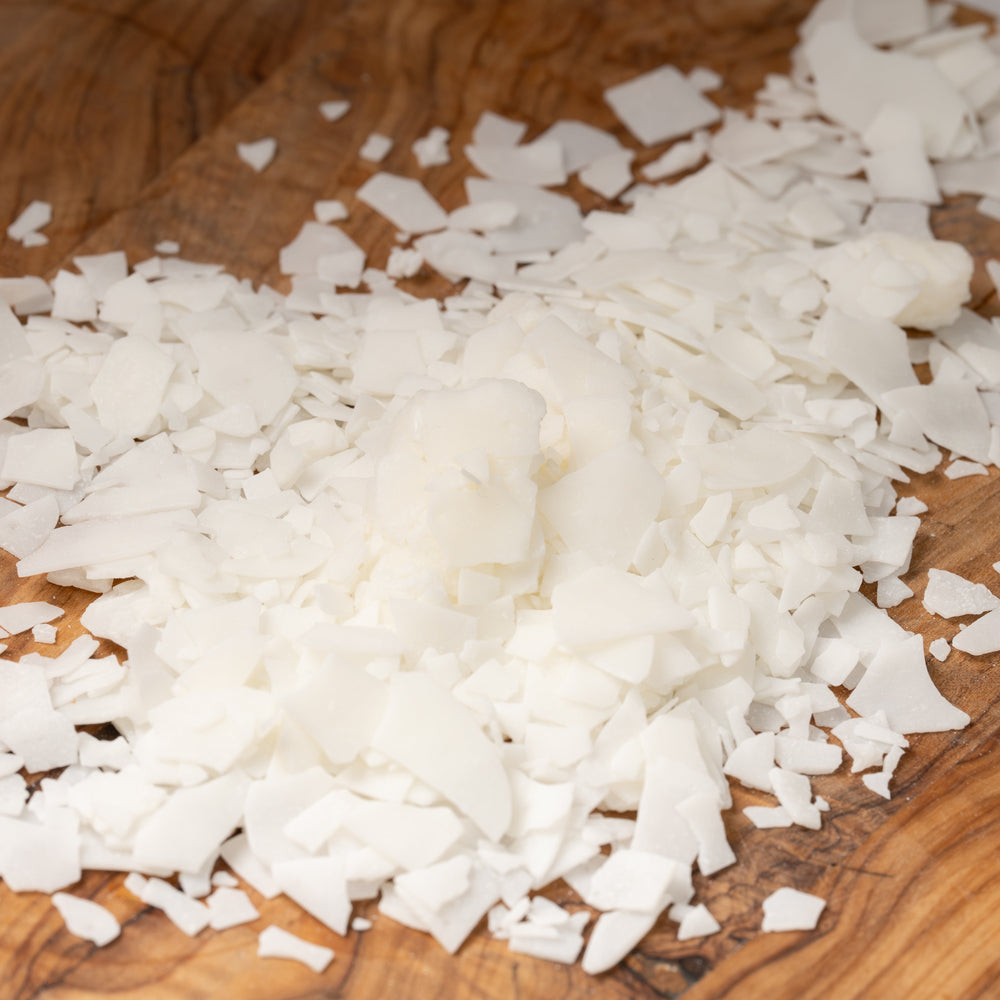
Whether you call it 'natural' or 'plant based', plant wax is a great way to make your candle creations eco friendlier to appeal to the eco warriors. From soy wax to coconut wax and anything in between, the Candle Shack team has created a fantastic range of high quality plant waxes to help bring your crafty dreams to life. 
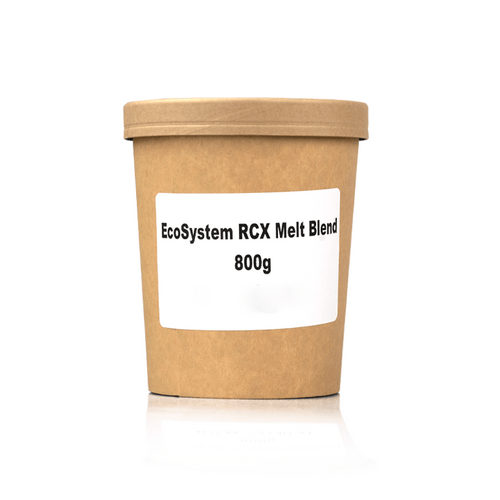
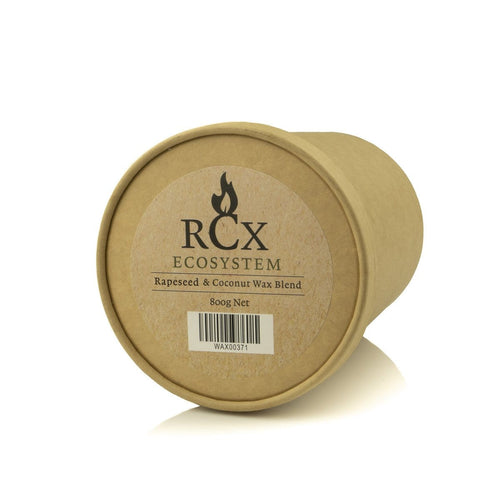
EcoSystem RCX, Rapeseed & Coconut Wax

From £5.19 exc. VAT

EcoSystem SCX, Soy & Coconut Wax

From £6.17 exc. VAT

EU Golden Wax 464, Soy Wax

From £4.37 exc. VAT

Golden Wax 464 USA, Soy Wax

From £6.18 exc. VAT

Golden Wax 494, Soy Wax

From £6.69 exc. VAT

AAK Golden Wax S41, Soy Wax

From £4.04 exc. VAT

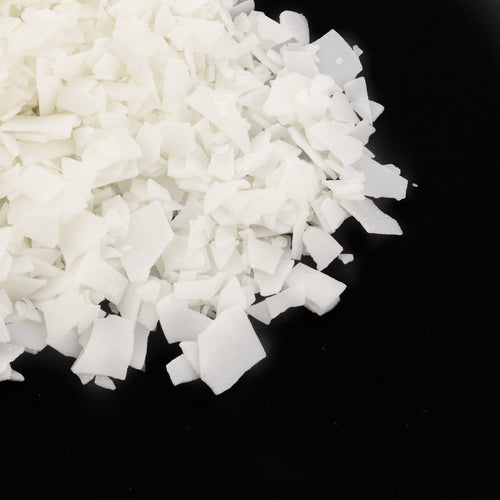
Nature Wax C-3, Soy Wax

From £4.25 exc. VAT

Frequently asked questions

What counts as a natural wax for candle making?
Natural candle waxes are plant-derived and include soy wax (from soybean oil), rapeseed wax (from rapeseed oil, widely grown in the UK and Europe), coconut wax, and beeswax. They are distinct from paraffin wax, which is a petroleum by-product. Many candles marketed as natural use a blend of plant waxes rather than a single type, because blending allows makers to balance scent throw, surface finish and structural performance alongside the natural origin claim.
What is the difference between soy wax and rapeseed wax for candles?
Both are plant-based container waxes but from different crops. Soy wax - including EU Golden Wax 464 (made in Sweden by AAK) and Nature Wax C-3 by Cargill - has been the dominant natural candle wax globally for twenty years. Rapeseed wax, including RCX (a rapeseed and coconut blend), is grown in Europe with a shorter supply chain for UK and EU makers. Performance differences between well-formulated versions of each are modest; choice often comes down to supply chain preference and whether European origin matters to your brand.
Does natural wax perform as well as paraffin for scent throw?
Natural waxes have improved significantly but involve real trade-offs. Paraffin generally gives stronger scent throw and a more consistent surface finish. Soy and rapeseed waxes carry fragrance well but can be more prone to frosting, adhesion variation and pour sensitivity. In Candle Shack lab-tested recipes, RCX (rapeseed and coconut) achieves scent ratings of 9-10 out of 10 with compatible fragrances and correct wicking - so the gap versus paraffin is closable with the right recipe, but it requires proper testing.
Do natural waxes need different wick sizes to paraffin?
Yes. Natural waxes, particularly soy, burn at a different temperature profile to paraffin and typically need a larger wick to achieve a full melt pool. If you are switching from a paraffin or paraffin-blend wax to a natural wax, do not assume your existing wick selection transfers - start wick testing from the beginning with your new wax. Always include fragrance in the test batch, as fragrance load also shifts wick requirements.
Why does my soy candle have a white powdery surface?
The white powdery surface is called frosting and is caused by the natural polymorphic crystallisation of soy wax as it cools and over time. It is a characteristic of genuine soy wax, not a manufacturing defect, and does not affect burn performance or safety. It can be reduced by pouring at a slightly lower temperature, avoiding cold drafts during cooling, or using a soy-containing blend formulated for a smoother surface. Some makers and customers regard a small amount of frosting as confirmation the product contains real natural wax.
Is soy wax actually sustainable?
Soy wax sustainability is genuinely complex, but the answer depends heavily on sourcing. Soybean cultivation at commodity scale - particularly from some Far East suppliers - carries real concerns around deforestation and long supply chains. However, leading Western producers like AAK and Cargill operate to significantly higher environmental and traceability standards; both are members of the Round Table on Responsible Soy (RTRS), and their soy wax products are generally considered sustainable materials. If European origin is important to your brand, rapeseed wax - particularly blends with a high rapeseed content - has a shorter supply chain for UK and EU makers and avoids those specific sourcing concerns entirely. But high-quality soy wax from world-leading responsible suppliers is a legitimate sustainable choice; the key is knowing where yours comes from.
Are natural wax candles better for indoor air quality than paraffin?
The evidence is weaker than most candle marketing implies. All organic waxes - natural or paraffin - release carbon dioxide and water vapour when burned cleanly. Studies claiming paraffin releases harmful petrochemicals have been widely criticised for methodology and the quantities detected are well below harmful concentrations in normal use. The more meaningful variable for air quality is whether the candle is correctly wicked and fragranced: an oversized wick or overloaded fragrance in any wax type produces more soot and combustion by-products than a well-formulated paraffin candle burned in the same conditions.