Candle Wax

Looking for candle making wax? You’ll find it here. From natural waxes like soy and rapeseed to paraffin and blends, we stock a wide range trusted by candle makers across Europe.

Whether you’re experimenting with new materials or have a specific wax in mind, our filters make it easy to find exactly what you need. The right wax is the foundation of a great candle, and we’re here to help you get it right.
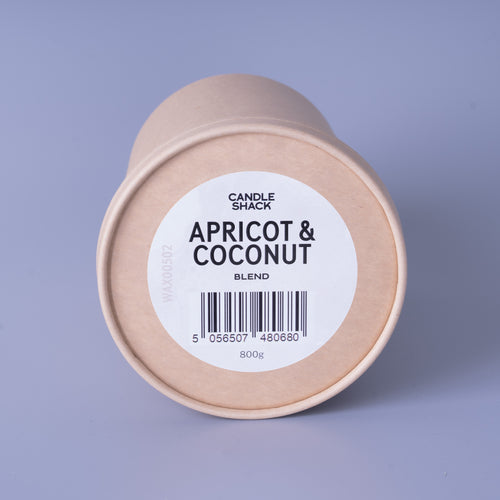
Apricot & Coconut Wax, Plant Wax Blend

From £5.34 exc. VAT

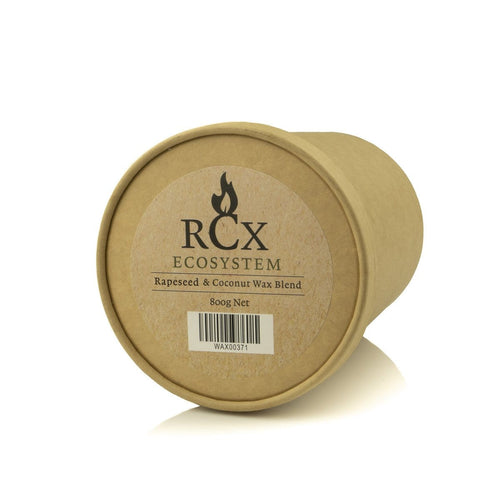
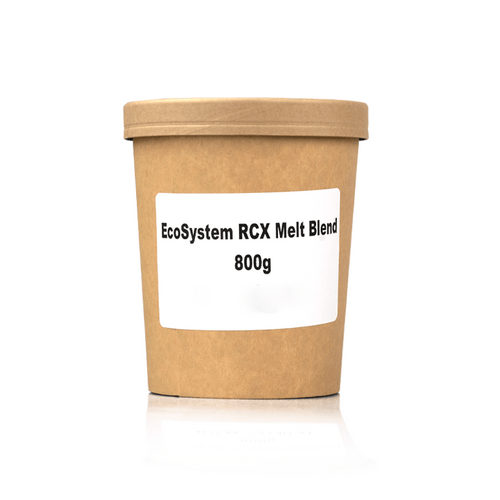
EcoSystem RCX, Rapeseed & Coconut Wax

From £5.19 exc. VAT

HPM Blend, Soy & Paraffin Blend Wax

From £6.16 exc. VAT

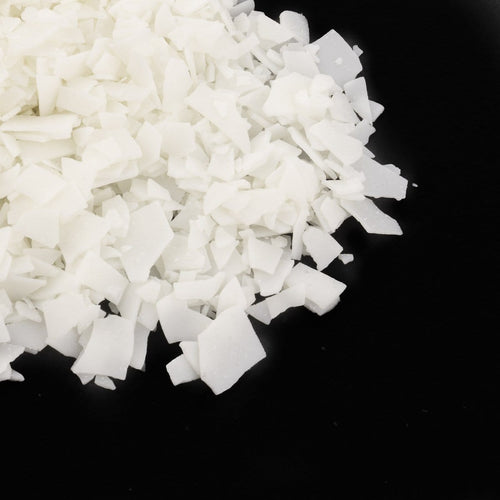
EU Golden Wax 464, Soy Wax

From £4.37 exc. VAT

Golden Wax 464 USA, Soy Wax

From £6.18 exc. VAT

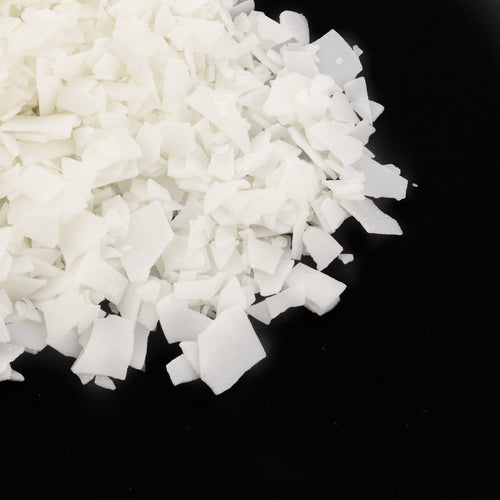
Nature Wax C-3, Soy Wax

From £4.25 exc. VAT

Golden Wax 494, Soy Wax

From £6.69 exc. VAT

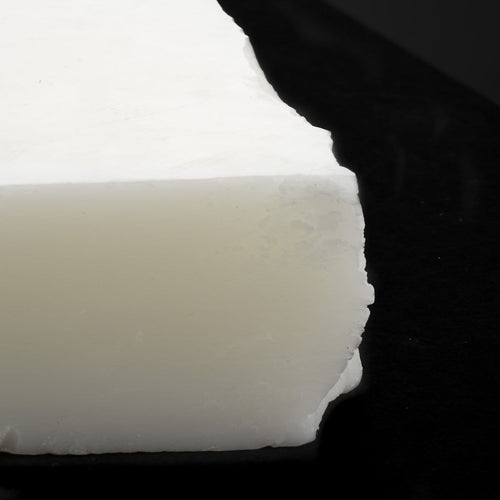
EcoSystem SCX, Soy & Coconut Wax

From £6.17 exc. VAT

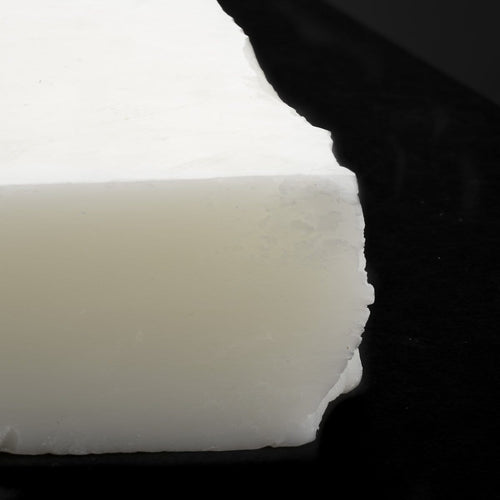
CS2 Wax, Vegetable & Paraffin Blend Wax

From £6.08 exc. VAT

CS1 Container Wax, Paraffin Blend Wax

From £4.92 exc. VAT

AAK Golden Wax S41, Soy Wax

From £4.04 exc. VAT

6213 Container Wax, Paraffin Wax

From £5.86 exc. VAT

Frequently asked questions

What are the main types of candle wax and how do they differ?
The main candle wax types are paraffin, soy, rapeseed, coconut, and blends of these. Paraffin delivers the strongest scent throw and smoothest surface finish and is the benchmark most other waxes are measured against. Soy and rapeseed waxes are plant-based and appeal to customers who value natural ingredients. Blends combine performance benefits of two or more types - typically the throw of mineral wax with the appearance and marketing story of a natural wax. The right choice depends on your product positioning, your customers' values and your testing capacity.
Which candle wax is best for beginners?
RCX (rapeseed and coconut wax) and EU Golden Wax 464 (soy wax made in Sweden by AAK) are the most practical starting points for container candles. Both are single-pour waxes with good glass adhesion, strong fragrance compatibility up to 10%, and the largest library of lab-tested recipes to draw from - RCX and EU Golden Wax 464 have several hundred recipes. Starting from a tested recipe means you have a known-good fragrance, wick and vessel combination rather than building from scratch.
What is the difference between container wax and pillar wax?
Container wax is formulated to stay soft enough to adhere to the inside wall of a glass or tin as it cools and contracts, preventing cracking and pull-away. Pillar wax is harder so it holds its shape when removed from a mould and burned freestanding. Using container wax for a freestanding pillar produces a candle that collapses; using pillar wax in a container causes poor glass adhesion and cracking. Most container waxes are clearly labelled with their intended application.
What is the maximum fragrance load for candle wax?
Maximum fragrance load varies by wax. CS2 (vegetable and paraffin blend) states a recommended maximum of 10%. RCX and EU Golden Wax 464 both support up to 10% in lab-tested recipes. Exceeding the stated maximum does not increase scent throw - it causes fragrance bleed, pooling, poor wick performance and potential safety issues. The maximum for each wax is stated on its product page.
How much wax do I need to fill a candle jar?
Fill the jar with water to your intended fill line and weigh it - that gives you the fill volume in grams. Multiply that figure by the specific gravity of your wax (approximately 0.9 for soy-based waxes, 0.86 as a general average across wax types) to get your mixture weight. That figure covers the total pour - wax and fragrance oil combined. Always confirm with a test pour before scaling up, as vessel geometry and fill height affect the result.
What does single-pour mean for candle wax?
Single-pour waxes are formulated to set without the significant sinkholes or surface dips that develop in some waxes during cooling, meaning you do not need a second top-up pour. CS2, RCX and EU Golden Wax 464 are all single-pour waxes. This matters in production because it removes a process step and reduces the risk of surface inconsistency between batches - a visible quality issue in retail candles.
How long should candle wax cure before the first test burn?
Most container waxes benefit from at least 48 hours before the first test burn, and soy-based waxes - including EU Golden Wax 464 and Nature Wax C-3 - can continue to improve over one to two weeks. This is partly due to polymorphic change in the wax crystals: a proportion can shift from beta-prime to beta form over time, which has a slightly higher melt point and a different crystal distribution. This affects how the fragrance is held and released during the burn, which is the real mechanism behind what makers call curing. Test too early and your scent throw results may not reflect the finished candle's performance.